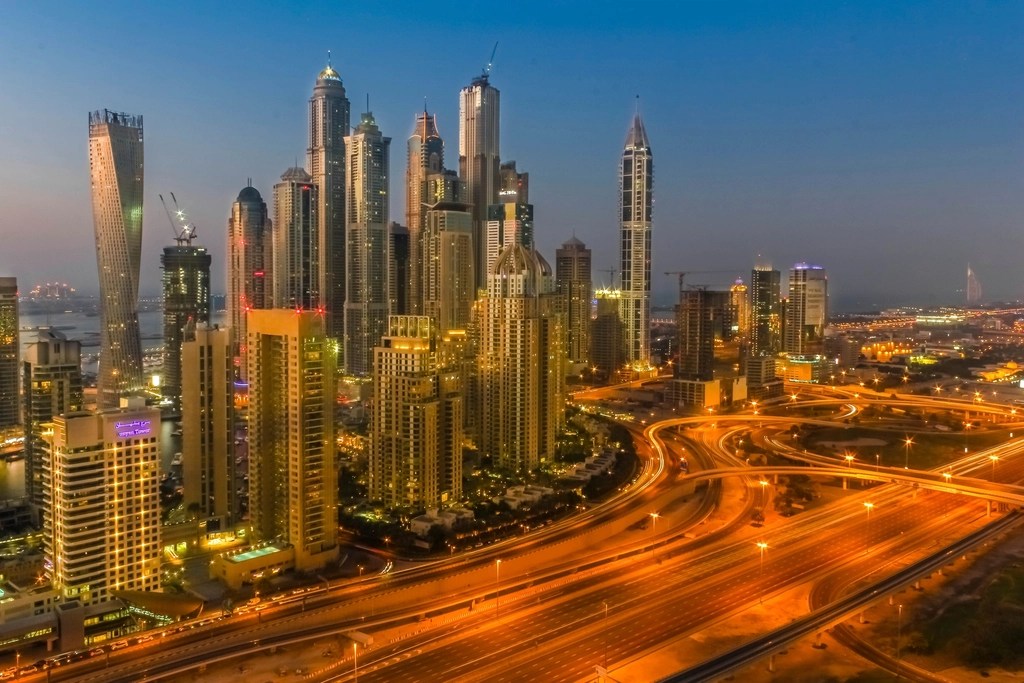
As the global real estate landscape continues to evolve, Dubai stands out as a tempting market for many international investors. However, the question remains: are Americans genuinely interested in investing in Dubai real estate? While the allure of high returns and luxury developments is appealing, several factors contribute to the hesitation among American investors.
Tax Implications
One of the significant barriers for Americans considering investments abroad is the U.S. tax system. American citizens are required to pay income taxes on their global earnings, even when working outside the U.S. This complicates the financial landscape for many potential investors in Dubai. The additional tax burden can make the attractive property prices less appealing, leading to a cautious approach among American buyers.
Perceptions of a Bubble
Many American investors express concerns about the stability of the Dubai property market. The rapid price increases in recent years, fueled by demand from foreign buyers, have raised questions about whether the market is in a bubble. The potential end of the Ukraine conflict, which has seen many Russians investing in Dubai, could lead to a sudden influx of properties back on the market. This raises concerns about a potential market correction that could negatively impact investments.
Inconsistent Construction Standards
Another critical issue is the inconsistency in construction standards and the enforcement of regulations in Dubai. Many American investors prioritize quality and reliability in their investments, and concerns about building quality can deter interest. Without stringent oversight, the risk of purchasing a subpar property increases, which can be a significant red flag for potential investors.
Challenges in the Legal System
The legal landscape for real estate transactions in Dubai presents additional hurdles. The efficiency and reliability of the legal system for settling disputes with developers or sellers can be questionable. American investors accustomed to a more straightforward legal framework in their home country may find the complexities of Dubai’s system daunting, leading them to opt for more familiar markets.
Long-term Viability Concerns
Long-term sustainability is becoming a critical consideration for many investors, especially in the face of climate change. Some American buyers are hesitant to take out long-term mortgages for properties in Dubai, questioning the long-term livability of the region. Concerns about rising sea levels and extreme weather conditions may contribute to a more cautious approach among American investors.
Competing Markets at Home
Ultimately, American investors have access to a mature real estate market back home, offering transparency, diverse options, and robust property rights. With comparable returns and lower risks, many prefer to invest in properties within the U.S. This familiarity and stability make the American market more appealing to potential investors compared to the uncertainties present in Dubai.
Conclusion
While Dubai remains a vibrant and dynamic real estate market, several factors contribute to the hesitance of American investors. From tax implications and perceptions of a bubble to concerns about construction standards and legal complexities, the challenges are considerable. For many Americans, the prospect of investing in Dubai may not outweigh the advantages of the more established real estate markets back home.

 MoneyMindsDXB
Leave a comment